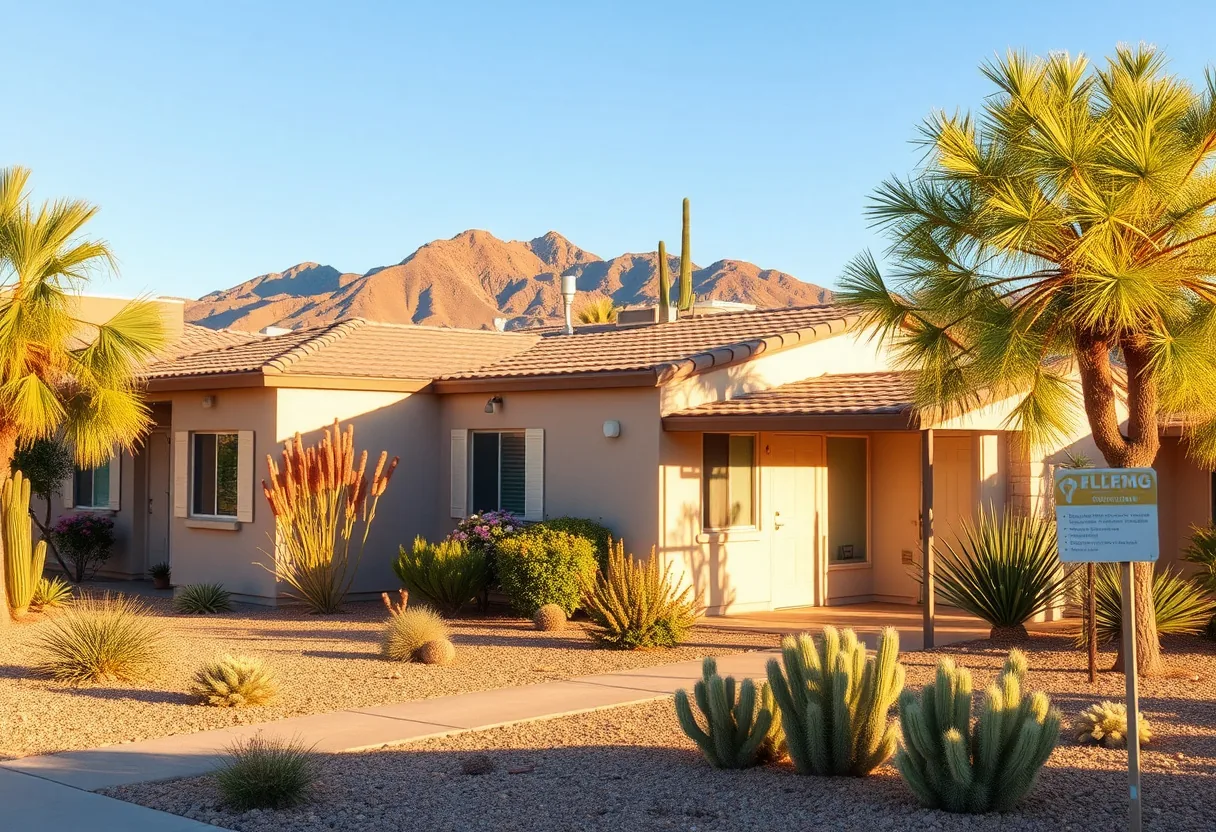
Why a Rental Needs a Landlord Policy, Not Homeowners
The single most expensive mistake a Phoenix investor makes is renting out a property while it is still insured on a homeowners policy. A homeowners form is written on the assumption that the owner lives in the home. The day you hand the keys to a tenant, that assumption breaks — and a carrier can deny the claim and void the policy on the grounds that the property was being used in a way the policy never covered.
Landlord insurance is built on a dwelling fire (DP-3) form instead. DP-3 is the open-peril version — it covers the structure against any cause of loss that is not specifically excluded, which is the closest rental equivalent to the broad protection a homeowners policy gives an owner-occupant. It also adds the things a landlord actually needs and a homeowners policy never contemplates: loss of rental income and landlord liability. If you own a rental in the Valley, this is the correct policy, not an optional upgrade.
Tell us the day it becomes a rental
The most common gap we fix is a client who moved out of a home, kept the old homeowners policy, and started renting it. That policy may not pay a dime on a tenant-related claim. Call 844-967-5247 or get a quote the moment a property converts to a rental so we can move you onto a DP-3 before a loss — not after one gets denied.
What Landlord Insurance Covers
A landlord policy protects the parts of the rental that are yours — the building, what you furnish, the income it produces, and your liability as its owner. It does not cover the tenant's belongings, which is a distinction worth making clear in the lease.
- The dwelling — the rental structure itself against fire, wind, hail, and other covered perils, rebuilt to its replacement cost under a DP-3 form
- Other structures — detached garages, casitas, carports, fencing, and pool enclosures on the property
- Landlord's personal property — the appliances, window coverings, and any furnishings you provide and maintain for the tenant's use
- Fair rental value / loss of rents — if a covered loss makes the unit un-rentable, the policy pays the rental income you lose while it is repaired
- Landlord liability — defense and damages if a tenant or guest is injured on the property and the claim points to you as the owner
What it does not cover is the tenant's own furniture, electronics, and clothing. Those are the tenant's responsibility through their own renters insurance — a policy you should require in every lease. Without it, a tenant who loses everything in a fire has no coverage of their own and often turns to the only insured party in the picture: you.
The Arizona & Phoenix Angle
Phoenix is one of the strongest rental markets in the country, and the exposures here are specific to the desert. A landlord policy written for the Valley has to account for climate, vacancy, and the amenities that draw tenants in the first place.
- Monsoon wind and hail — summer storms drive most Valley property claims, tearing tile roofs and driving water into rentals; make sure your DP-3 covers wind and hail rather than excluding it
- Extreme heat exposure — sustained heat stresses HVAC systems, roofing, and plumbing on a rental far harder than on an owner-occupied home the tenant babies
- Vacant periods between tenants — most policies restrict coverage once a property sits empty past 30 or 60 days, so a vacancy endorsement keeps you protected during turnover or a renovation
- Pool liability — a huge share of Phoenix rentals have a pool, which is an attractive nuisance and a serious liability exposure that your landlord liability limit needs to be sized for
Vacancy is when landlords are least protected
The dangerous stretch is the empty one. A unit between tenants or mid-renovation is exactly when a standard policy quietly narrows what it will pay — a burst pipe or a break-in during a vacant period can be denied. If a Phoenix rental will sit empty for more than a month, tell us so we can add a vacancy endorsement before the gap opens.
Short-Term Rentals & Airbnb in Phoenix and Scottsdale
Short-term rentals are a major part of the Phoenix and Scottsdale economy — spring training, golf season, and year-round tourism keep nightly-rental demand high. But if you rent on Airbnb or Vrbo, you have a coverage problem most owners do not learn about until a claim is denied: a standard landlord OR homeowners policy usually excludes short-term rental use.
A traditional DP-3 landlord policy is written for a long-term tenant on a lease. Once you are turning the property over to a stream of nightly guests, the carrier views it as a business — a hospitality operation — and the standard form's exclusions can leave you exposed on both property damage and, more dangerously, guest liability. The platform's host protection is not a substitute for your own policy and is riddled with limits and gaps.
The fix is a specific short-term-rental program built for vacation and nightly-rental use. It contemplates guest turnover, provides real liability limits for the people staying in your home, and covers loss of income the way an STR owner actually earns it. If you run — or are about to run — a short-term rental anywhere in the Valley, do not assume your existing policy responds. Get a quote on the right STR program before your first booking.
Multiple Properties & Building a Portfolio
Phoenix investors rarely stop at one door. As your portfolio grows, the goal is to keep coverage consistent and liability protection stacked high enough to defend everything you own. There are a few ways we structure that.
- Scheduling several rentals — multiple properties can sit on a single program so limits, renewal dates, and billing stay organized instead of scattered across a stack of unrelated policies
- Umbrella over the portfolio — investors pair their rentals with an umbrella policy that layers extra liability across every property at once, which is far cheaper than raising each policy's limit individually
- Commercial and mixed-use — a fourplex, a small apartment building, or a mixed-use storefront-with-units moves into commercial territory and ties to a business insurance program
The liability math is what catches investors off guard. A single serious injury at one property — a fall at a pool, a dog bite in a yard — can generate a judgment larger than any one landlord policy's liability limit. An umbrella sits above all of your DP-3 policies and answers that catastrophic claim, protecting the equity you have built across the whole portfolio, not just the one property where the loss happened.
Homeowners vs Landlord (DP-3): What Changes
The two policies look similar on the surface — both insure a house — but they are built for opposite occupants. This is what actually changes when a home becomes a rental.
| Coverage area | Homeowners (owner-occupied) | Landlord DP-3 (tenant-occupied) |
|---|---|---|
| Who lives there | You, the owner | A tenant on a lease (or nightly guests, if endorsed) |
| The structure | Covered on an open-peril basis | Covered on an open-peril DP-3 basis |
| Contents | Your household belongings are covered | Only landlord-owned items; tenant covers their own via renters |
| Rental income | Not covered — you do not rent it out | Loss of rents pays your income after a covered loss |
| Liability | Personal, homeowner-based liability | Landlord liability tied to owning tenant-occupied property |
| Renting it out | Can void the policy or trigger a claim denial | Purpose-built for it — no coverage gap |
The bottom row is the one that matters most. Keeping a homeowners policy on a property you rent out is not a money-saver — it is an uninsured position waiting for a claim to expose it.
Requiring Tenant Renters Insurance & Additional Insured
The smartest, cheapest risk control a landlord has costs you nothing: require [renters insurance](/coverage/renters-insurance/) in the lease. It protects the tenant's belongings so a fire or theft does not turn into a fight with you, and its liability coverage responds first when the tenant or their guest causes damage — keeping small claims off your landlord policy and your loss history clean.
- Write it into the lease — make proof of an active renters policy a condition of move-in, not a suggestion
- Name yourself as an additional interest — you get notified if the tenant's policy lapses or cancels, so a coverage gap never surprises you
- Request additional insured status where appropriate — extends the tenant's liability coverage to protect you for claims arising from their occupancy
- Collect proof at renewal — verify the policy is still active each year, not just at signing
Being listed as an additional interest on the tenant's policy means their insurer notifies you if it is canceled or non-renewed — you find out about a lapse in time to act, instead of discovering it after a loss. It is a two-minute request that closes one of the most common gaps between a landlord's coverage and a tenant's. Not sure how to structure the requirement? Call 844-967-5247 and we will help you word it.
Get Your Phoenix Rental Covered the Right Way
Whether you own one rental in Mesa, a handful of doors across the Valley, or an Airbnb in Scottsdale, the coverage has to match how the property is actually used. As a local independent agency, we place your rentals with the carriers that price Phoenix landlord risk best — DP-3 dwelling fire for long-term tenants, purpose-built programs for short-term rentals, and umbrella limits to protect a growing portfolio.
Bring us the address, whether it is long-term or short-term, and whether it has a pool, and we will build the policy around the real exposure. Get a quote online or call 844-967-5247 to talk it through with an agent who knows the Valley rental market.