Arizona's Mandatory Minimum Coverage
Every driver who registers a vehicle in Arizona has to carry liability insurance, and the state sets a firm floor on how much. That floor is written as three numbers you will see everywhere — 25/50/15 — and it covers the harm you cause to other people and their property, not your own car or injuries. Before you shop for auto insurance, it helps to understand exactly what those three numbers buy and, just as important, what they leave out.
| Coverage | Arizona minimum | What it pays for |
|---|---|---|
| Bodily injury per person | $25,000 | Injuries to any one person you hurt in an at-fault crash |
| Bodily injury per accident | $50,000 | Total injury payout to everyone hurt in a single accident |
| Property damage | $15,000 | Damage you cause to other vehicles, walls, poles, or property |
Notice what is missing: there is no requirement to insure your own vehicle, your own medical bills, or an uninsured driver who hits you. The state minimum is designed to make sure you can pay for damage you cause to others — nothing more. It is the legal starting line, not a complete safety net.
The Penalties for Driving Uninsured in Arizona
Arizona takes proof of insurance seriously, and the Motor Vehicle Division (MVD) verifies coverage electronically. Get caught driving without it and the consequences escalate quickly with each offense:
- License and registration suspension — a first offense can suspend your driver license, vehicle registration, and license plates for up to three months; repeat offenses stretch that suspension longer.
- Reinstatement fees — you pay a fee to restore your registration and license once the suspension period ends, on top of any fines.
- Mandatory SR-22 filing — after a lapse, the MVD generally requires you to carry an SR-22 certificate for a set period before and after you are fully reinstated.
- Higher premiums — a coverage lapse is one of the fastest ways to push your rate up, because carriers treat it as a red flag.
A lapse is expensive twice
You pay once in fines and reinstatement fees, then again for years in higher premiums and an SR-22 requirement. Keeping continuous coverage — even a low-cost policy between vehicles — is almost always cheaper than getting caught without it.
Why the State Minimum Is Rarely Enough
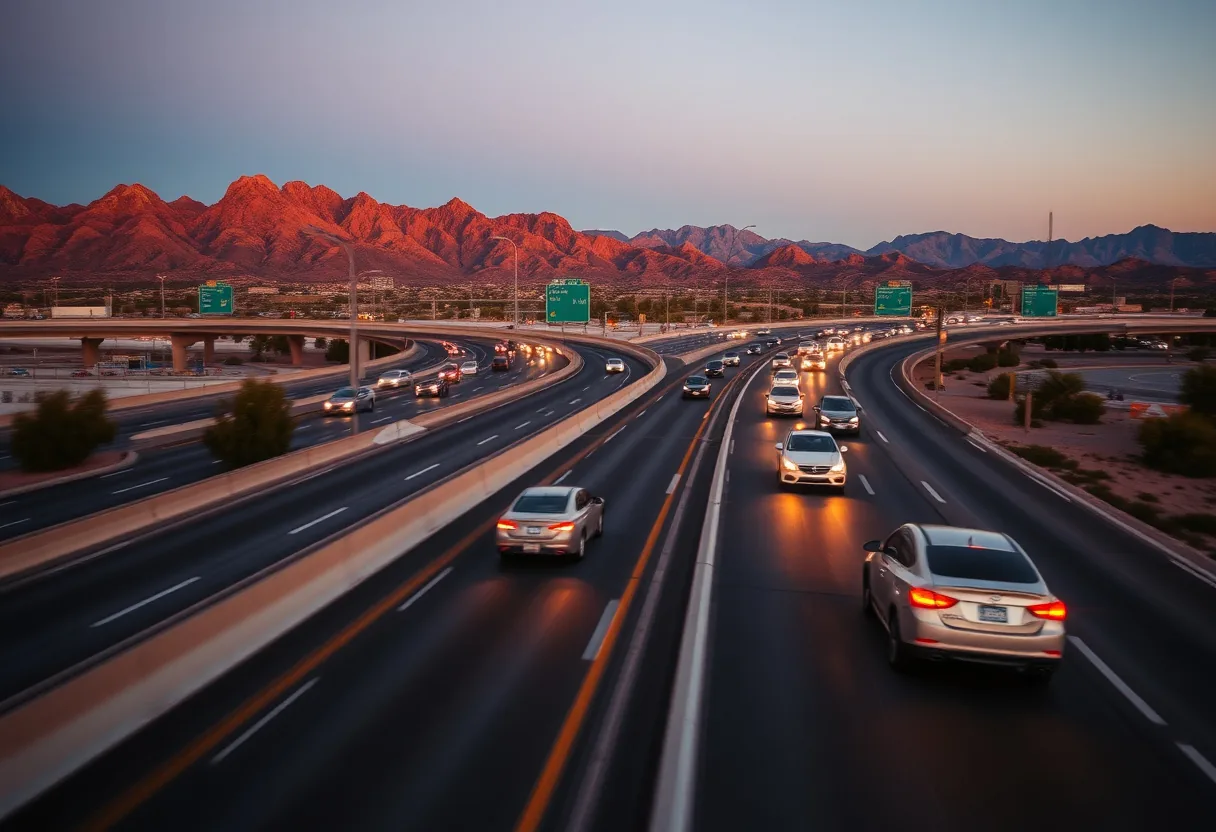
Here is the uncomfortable math. Arizona's property-damage minimum is $15,000 and its per-person injury minimum is $25,000. Now picture a routine chain-reaction crash on the Loop 101 or I-10 during rush hour. A single late-model SUV or truck can easily cost more than $15,000 to repair or replace, and if you strike more than one vehicle, that limit disappears almost instantly. Serious injuries — even one trip to a Phoenix emergency room, surgery, and rehab — routinely blow past $25,000.
When your limits run out, you do not walk away. You are personally on the hook for the difference, which can mean your wages, savings, or assets. For most drivers, moving up to higher liability limits costs surprisingly little each month and buys a great deal of protection. Add in Arizona's stubbornly high share of uninsured drivers, and carrying strong uninsured/underinsured motorist coverage becomes just as important as the liability itself.
Think in terms of what you could lose
The minimum protects the state's paperwork, not your bank account. If a serious crash exceeds your limits, the injured party can come after you directly. Higher limits and UM/UIM coverage are the cheapest insurance against a life-changing bill. Get a quote or call 844-967-5247 to compare limits.
Optional Coverages Worth Adding in Arizona
Beyond the required liability, a handful of optional coverages address the specific ways cars get damaged and drivers get hurt in the Valley. None are legally required, but several are close to essential given Arizona's roads and weather:
- Uninsured/underinsured motorist (UM/UIM) — pays for your injuries when the at-fault driver has no insurance or not enough. In a state with a high uninsured-driver rate, this is one of the smartest add-ons you can buy.
- Comprehensive — covers non-collision damage like monsoon hail, blowing dust and gravel, flooding, theft, and the cracked windshields that are almost a rite of passage on Arizona freeways.
- Collision — pays to repair or replace your own vehicle after a crash, regardless of fault; usually required if you finance or lease.
- Medical payments (MedPay) — helps cover medical bills for you and your passengers no matter who caused the accident.
- Rental reimbursement and roadside assistance — keeps you moving with a rental car and towing help while your vehicle is in the shop or stranded in the desert heat.
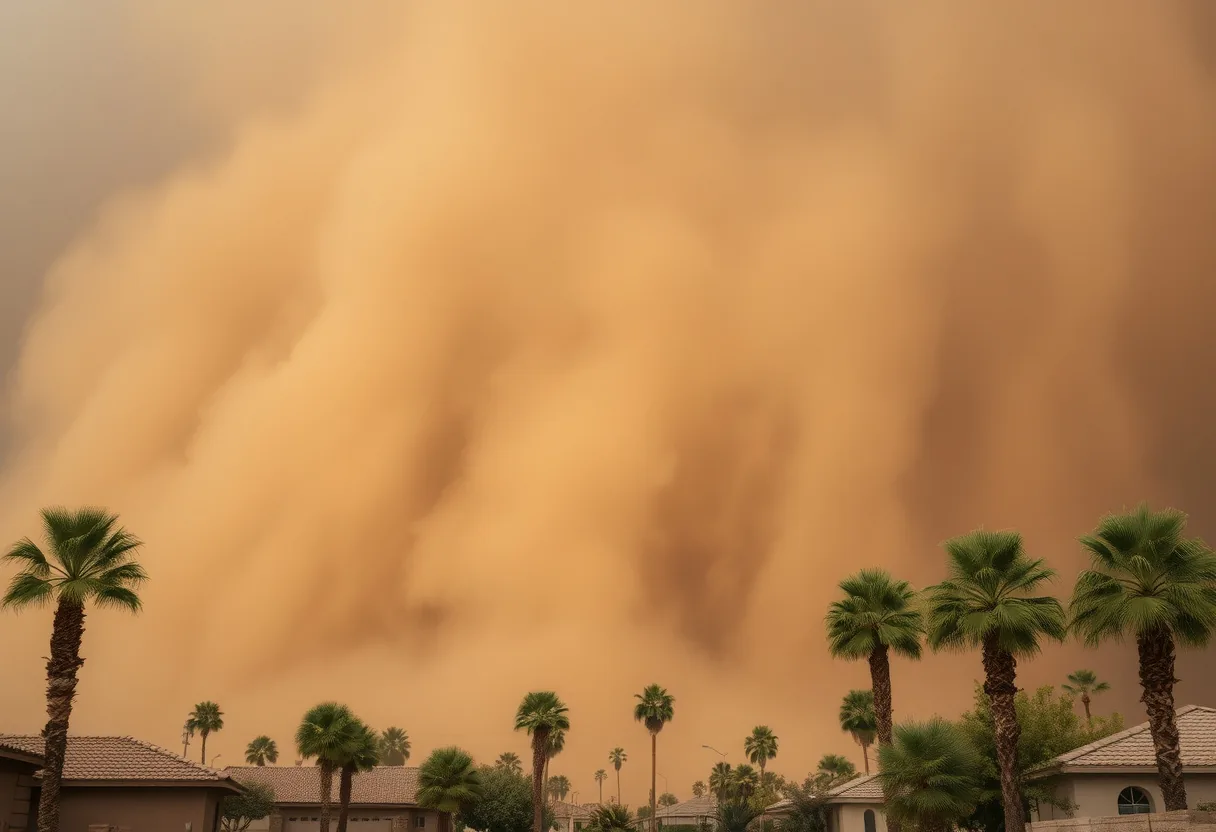
Arizona's climate makes comprehensive especially worthwhile. Monsoon season brings hail, high winds, and dust storms that pit paint and shatter glass, and a single windshield replacement can cost more than a year of the coverage itself.
SR-22 Explained: What It Is and When You Need One
An SR-22 is not a type of insurance — it is a certificate of financial responsibility that your insurance company files with the Arizona MVD to prove you carry at least the state-minimum liability coverage. Think of it as an official promise, backed by your insurer, that you are and will stay insured. When your policy is active, the SR-22 confirms it to the state; if your policy lapses or cancels, your insurer is required to notify the MVD, which is exactly what makes the filing meaningful.
You are typically required to file an SR-22 after a serious violation, including:
- A DUI or DWI conviction
- Driving without insurance or a coverage lapse
- Causing an at-fault accident while uninsured
- Multiple traffic violations or an accumulation of points in a short period
- Reinstating a license after a related suspension
In Arizona you generally must maintain the SR-22 and continuous coverage for about two to three years from the date it is required. The clock depends on continuous coverage — if your policy lapses or cancels during that window, the MVD is notified and your suspension can restart, effectively resetting the required period. That is why keeping the underlying policy paid and active matters even more than usual while an SR-22 is on file.
We can help place an SR-22 policy
Not every carrier writes SR-22 filings, and rates vary widely between the ones that do. If you need an SR-22, we can help you find and file a policy that meets Arizona's requirement without overpaying. Call 844-967-5247 or get a quote to get started.
How to Lower Your Arizona Auto Premium
A clean-driving Arizona motorist has real levers to pull on price, and even an SR-22 policy gets cheaper over time as violations age off your record. These are the moves that reliably bring the number down:
- Bundle your policies — insuring your auto alongside homeowners insurance or renters insurance with the same carrier usually earns a multi-policy discount on both.
- Earn the good-driver discount — a clean record free of at-fault crashes and violations is the single biggest long-term rate reducer.
- Raise your deductible — choosing a higher comprehensive or collision deductible lowers your premium, as long as you can cover that amount if you file a claim.
- Shop multiple carriers — rates for the exact same coverage vary widely between insurers, and an independent agent can compare several at once.
- Ask about every discount — safe-driver courses, low annual mileage, anti-theft devices, paperless billing, and paid-in-full options all add up.
The fastest way to know you are not overpaying is to let someone compare the market for you. We shop multiple carriers on your behalf — including SR-22 markets — and match you to the coverage and limits that fit how you actually drive.
Get the Right Arizona Auto Coverage
Arizona's 25/50/15 minimum keeps you legal, but it rarely keeps you protected on a busy Phoenix freeway. The right policy pairs sensible liability limits with the UM/UIM and comprehensive coverage that Arizona's uninsured drivers and monsoon weather make so valuable — and, when you need one, a properly filed SR-22.
Tell us what you drive and how, and we will build a policy that fits. Compare auto insurance options, bundle with homeowners insurance or renters insurance to save, and get a quote online — or call 844-967-5247 to talk it through with someone who knows Arizona roads.
Frequently Asked Questions
Arizona requires 25/50/15 liability coverage: $25,000 for bodily injury per person, $50,000 for bodily injury per accident, and $15,000 for property damage. This covers harm you cause to others but not your own vehicle or injuries. Most drivers should carry higher limits, since one serious crash can easily exceed these amounts.
You can have your driver license, registration, and plates suspended for up to three months on a first offense, with longer suspensions for repeat violations. You will also owe reinstatement fees and will generally be required to file an SR-22 for a set period. A lapse also raises your premiums for years afterward.
An SR-22 is a certificate of financial responsibility your insurance company files with the Arizona MVD to prove you carry at least the required liability coverage. It is commonly required after a DUI, driving uninsured, or an at-fault crash without insurance. If your policy lapses while it is on file, your insurer notifies the state.
Arizona generally requires you to keep an SR-22 and continuous coverage for about two to three years from the date it is required. The requirement depends on unbroken coverage, so if your policy lapses or cancels during that window, your suspension can restart and reset the clock. We can help place a compliant SR-22 policy.
For most drivers, yes. Arizona's $15,000 property-damage and $25,000 injury minimums are easily exceeded in a single serious Phoenix freeway crash, leaving you personally responsible for the difference. Higher limits plus uninsured/underinsured motorist coverage usually cost little more each month and protect your savings and assets. These are estimates only, so compare options.
Only if you carry comprehensive coverage, which is optional and not part of the state minimum. Comprehensive pays for non-collision damage like monsoon hail, blowing dust, flooding, theft, and cracked or shattered windshields — all common in Arizona. Given the climate, many Valley drivers find comprehensive well worth the modest added cost. Call 844-967-5247 to compare.